Blog

Phishing Awareness Training for IT Help Desks: Checklist
Evaluate identity verification, reset controls, escalation, realistic simulations, and evidence for teams that can change access.

Quishing Awareness Training for Hybrid Workplaces
Build safe QR phishing tests across email, documents, shared spaces, and mobile devices while measuring verification and reporting behavior.

SMS Phishing Test for Employees: Managed Phone Checklist
Evaluate authorization, delivery, reporting, privacy, feedback, and evidence before testing employees on company-managed phones.

Quishing Simulator: Evaluate Safe QR Phishing Tests
A buyer’s guide to controlled QR destinations, mobile-safe telemetry, reporting workflows, privacy, and measurable learning.
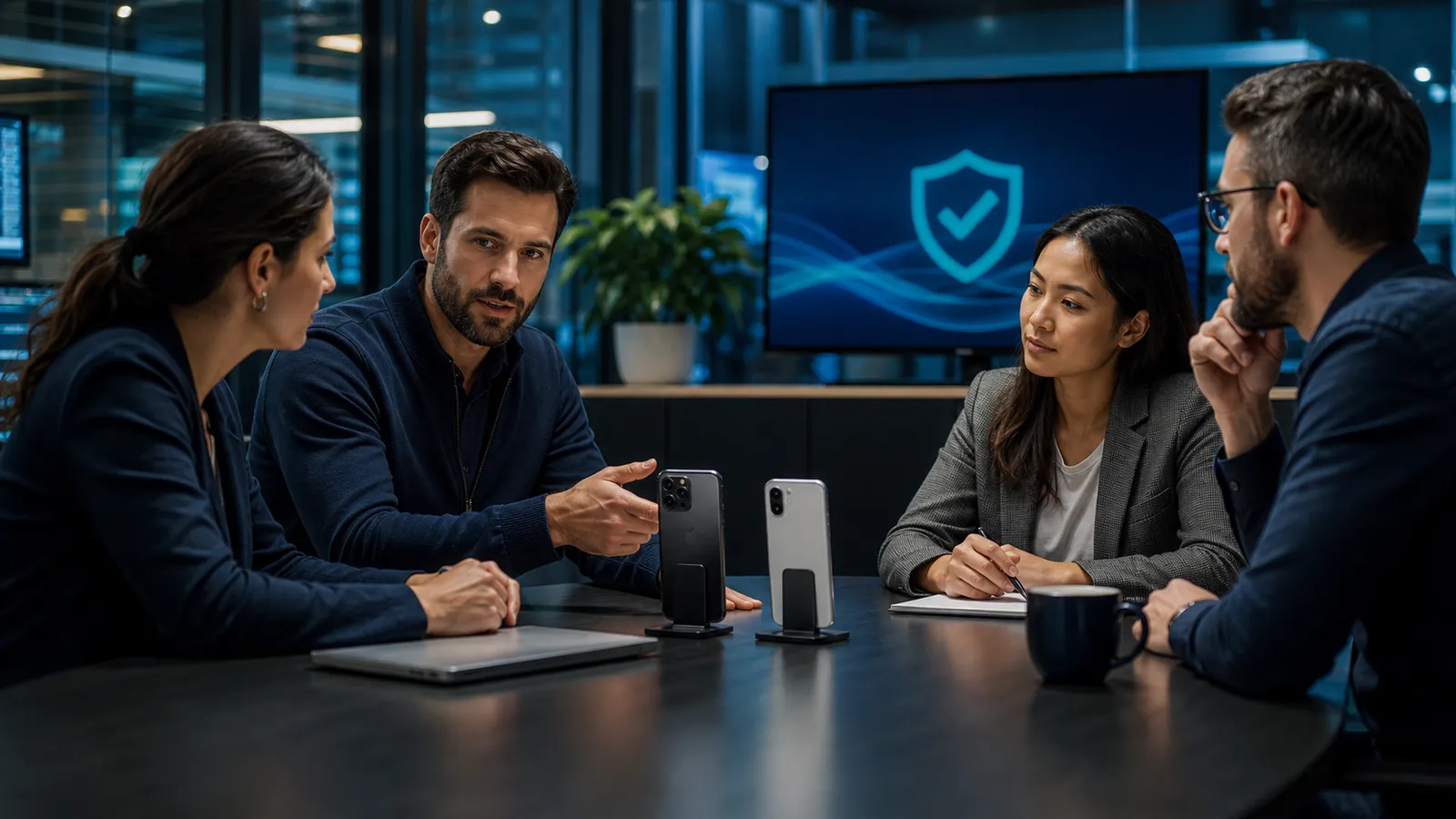
Smishing Simulations for BYOD: A Safe Program Checklist
Plan privacy-friendly mobile phishing tests across personal phones, managed devices, reporting channels, and follow-up training.

Phishing Awareness Training for Employees: Buyer Guide
Build a practical program that combines role-based learning, safe simulations, reporting practice, and evidence of behavior change.

Retail Phishing Simulations: Train Store Teams Safely
A practical guide to safer awareness testing for headquarters, e-commerce, store, and seasonal staff without collecting credentials or disrupting customer service.

Healthcare Phishing Simulations: Train Staff Without PHI Risk
A practical guide for hospitals, clinics, and healthcare vendors that need safer awareness testing across clinical, billing, and support workflows.

Quishing Simulation Scenarios: Safe QR Phishing Training Ideas
How security awareness teams can train QR-code phishing risk without collecting credentials, staging unsafe physical tricks, or turning education into a blame exercise.
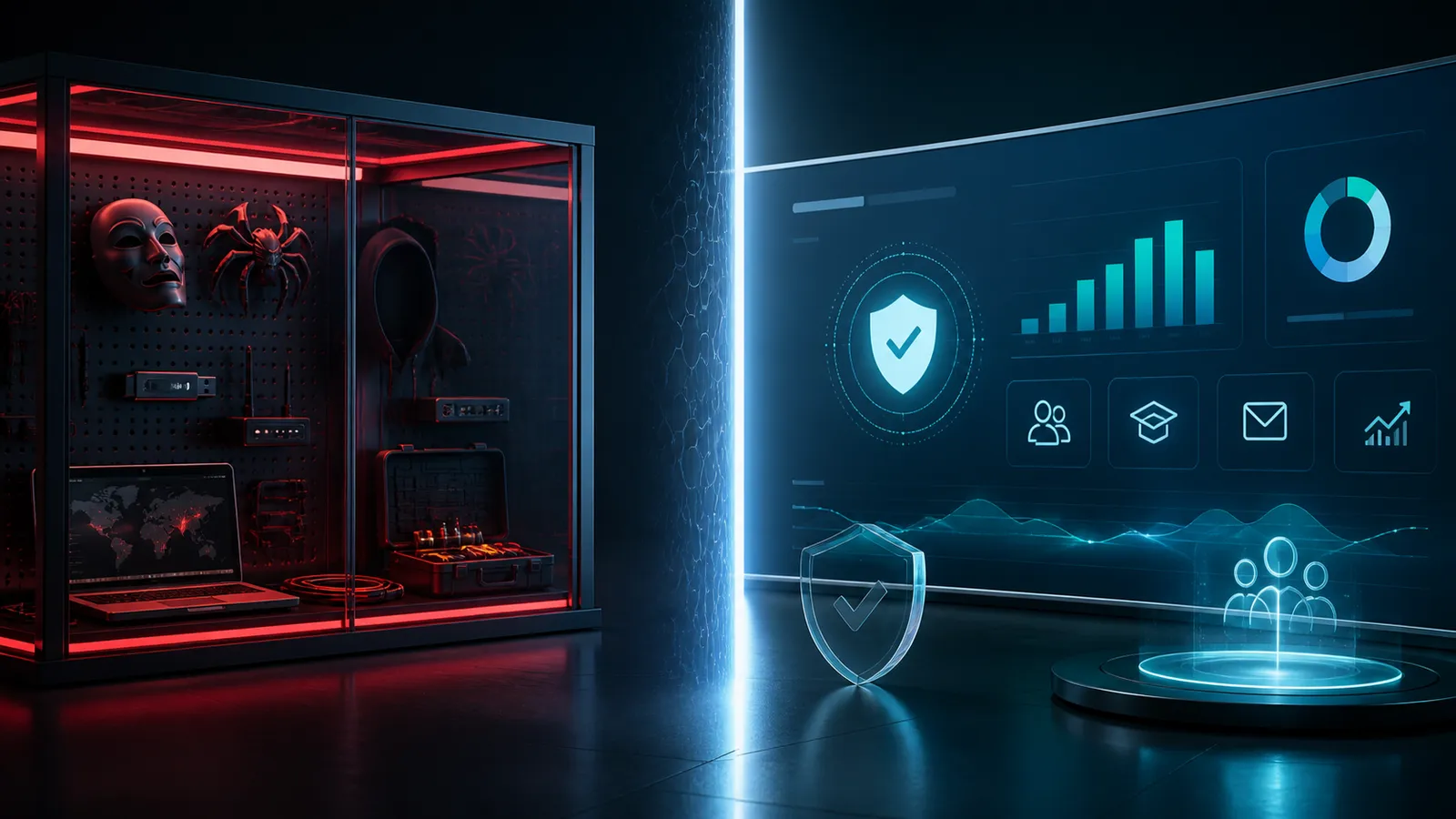
Social-Engineer Toolkit is not a phishing simulation platform
Why SET belongs in authorized red-team work, while employee awareness needs safer workflows, privacy controls, and reporting.
Run your first phishing test in 10 minutes.
Sign up free — no credit card. Try Pro free for 7 days when you're ready.